


Dear Advisor- My daughter, who has ADHD and is awaiting an autism assessment, bites and hits me. She is 8 now, getting bigger and really hurts me. It seems to come out of nowhere. When I was speaking on the phone to my Dad, she hit me over the head with her toy car. I am becoming afraid of my child. What can I do to stop this?
I understand that this must be really difficult for you, not only is your child hurting you physically but it is also affecting you emotionally and undermining your confidence. As well as thinking about how we can help your child regulate their emotions we also need to think about how you look after yourself.
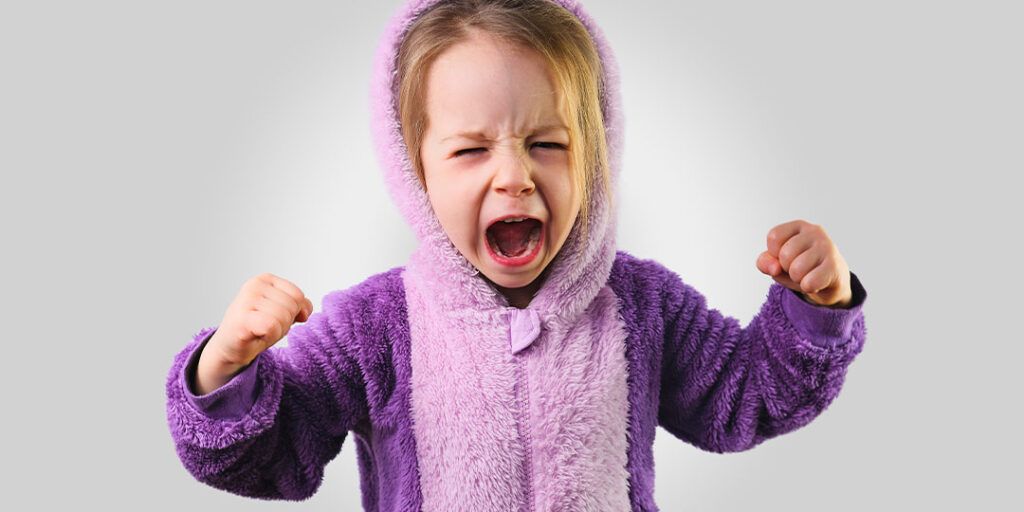
Hitting and biting, although violent behaviour, is a sign of emotional distress and often is related to high levels of underlying anxiety. All behaviour is a form of communication and neurodivergent children find it difficult to demonstrate their feelings through verbal communication so can resort to physical acts. If your child is nonspeaking they may be frustrated at being unable to communicate their needs. If communication is difficult it is really important that your child is being supported with communication tools and having input from speech and language therapy, as without this support it could be difficult to reduce the distressed behaviour.
Although your child is 8 it is possible that they have some developmental delay which could mean their emotional and social development is several years younger than their chronological age. If you know your child has developmental delay then you need to be responding to their developmental age and being realistic about whether they can self-regulate their emotions. Understanding the root cause of the behaviour you are seeing and identifying possible triggers is an important first step to reducing the behaviours.
I would suggest that you start with a behaviour log or journal. In simple terms this is you noting down episodes of distressed behaviour, emotional dysregulation, meltdowns and violence. You should note the day, time and anything that was happening at the time. Doing this for at least two weeks, or possibly longer, could help you spot particular patterns or triggers. For example, you may notice that a certain day is difficult because your child is exhausted by being in school or from a social activity. If dysregulation happens straight after school, consider giving a substantial snack in the playground as many children are hangry! Avoid giving high sugar foods, drinks or snacks like crisps which will only result in blood sugar levels crashing quickly within a short period of time causing further dysregulation.
There can also be less obvious triggers like the smell of your perfume or changes in the weather. Identifying triggers enables you to change routines or the environment to reduce sensory and social overload.
Sometimes you might find it difficult to identify a specific trigger, this is often because your child has had lots of little triggers that have built up throughout the day or even across a week. The best analogy for this is to imagine a jenga tower and you take a brick out one at a time, for a while the tower stays standing but eventually so many bricks are removed that the tower collapses. You may have to track back across a day or week to spot the things that are building up. Reducing demands and expectations can help. You may like to explore energy accounting as a strategy to help get the right balance for your child.

Biting and hitting can be a response to needing more sensory stimulation. Try to ensure sensory toys and activities are available for your child, not just when they are dysregulated. Regular sensory activities that meet your child’s specific sensory needs will help them to remain emotionally regulated. Sensory Suggester from SEMH is a free online tool which will give you specific strategies for your child’s sensory behaviours. Our team also recommend the book Understanding Your Child’s Sensory Signals: A Practical Daily Use Handbook for Parents and Teachers by Angie Voss.
When communicating with your child think using a calm but firm voice, move around slowly, soften your body posture and avoid eye contact. Try to limit communication to what is absolutely necessary, so that you do not put additional demands on your child. It can be tempting to threaten your child with consequences or even telling their teacher or a grandparent about what they have done, but this isn’t wise in the moment. Your child is likely to already be experiencing a level of guilt or shame about their behaviour, those feelings can cause further dysregulation and damage self-esteem. Calling in reinforcements, like Grandad for example, actually makes you appear powerless and out of control. Your child needs to know you are in control and can keep them safe, otherwise anxiety rises and causes dysregulation.
It is also worth reflecting on ours, or other people in the home, response to the biting and hitting. Your child needs consistency, so make sure all carer givers understand the approach you are taking. Naturally when we are fearful or angry we may shout or cry, sometimes this can cause further dysregulation as our child may not understand our emotions. They also may pick up on the emotional temperature of the household, if you are stressed, worried or anxious then you are dysregulated. In a way this dysregulation spills over onto your child. That is why it is so important to look after your own wellbeing, it isn’t selfish, it is critical for the wellbeing of your family. Consider whether you would benefit from accessing support via Wellbeing Suffolk or joining a parent carer support group. You could watch this excellent video
Regardless of trying to deploy a variety of strategies you won’t always be able to prevent your child becoming dysregulated, remember that their behaviour is communicating distress. How about the next time they hit or bit you, you imagine they are saying “help” instead? This can help us to remain calm and see the behaviour for what it is, rather than interpreting it as “bad behaviour”. When your child is dysregulated the thinking part of the brain is disconnected temporarily, they won’t be in control of their actions, nor will they be able to process what you are saying very well so now is not the time to give them a lecture. You may wish to take a look our information on Emotional Regulation; to help you think about when is the best time to talk to your child about their behaviour.
It is important to keep everyone safe, think about how you can protect yourself. For example can you layer up in soft clothing on your body where she normally bites? You may find the texture of the clothes discourages her or at least protects you. Could you put body cream or a scented product on that part of your skin, this may also discourage the biting or make it harder for her to bite due to the skin being slippery? Other members of the family, particularly children, should be asked to move away from your child when they are hitting out. It is much better for others to move to a safe space then try to move your child.
I would encourage you to have a safety plan in place:
- Think about where you could go or who could provide assistance in an emergency. Ensure other children in the home know who to call and how.
- Make sure you have a list of easily accessible phones numbers written down as well as in your phone.
- Ensure that your mobile phone is always in credit.
- Always have a spare set of keys for the home and car in a safe place that only you know about.
- If you consider that you are at risk you must call the police. No parent wants to criminalise a child and this is generally not the first step that the police will take.
I would suggest you think about whether the following organisations might be good support for you in terms of the behaviour you are experiencing.
Parental Education Growth Support (PEGS)
Capa First Response – Together for safer families – Capa First Response
Parents And Carers Together
You can also attend the Behaviour safe at Home course to help prevent the behaviour escalating and to reduce the need for restrictive interventions.

