


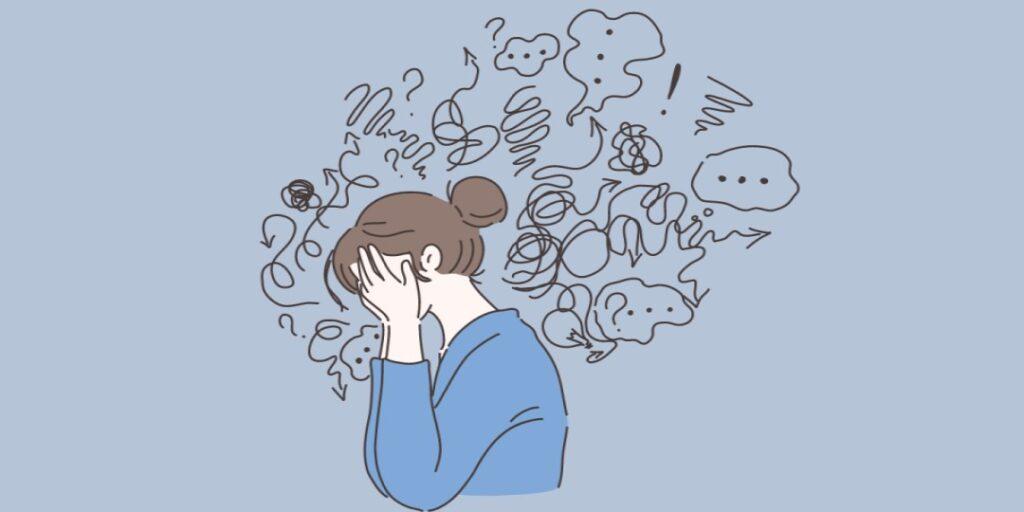
Three tips to help manage anxiety
There are heaps of tools to help manage anxiety, from journaling to talking. From being creative to mindfulness.
Here we focus on three specific tools, which help us to pause and make some positive choices in our day.
1. Pause and notice how we feel. What feeling would be better right now?
It’s important that we notice and acknowledge our feelings. After all, ‘what we resist, persists’.
Notice how we feel and where we feel it in our bodies. How do we feel when we have anxiety? Shallow breathing, physical ticks and sweaty palms are just some of the physical ways we experience anxiety.
Then consider if there is a specific thing that is making us feel like this. Perhaps it is lockdown lifting and the relaxation in rules. For parent carers it might be the summer holidays extending before us, and the lack of support that can bring.
Sometimes we’re simply overwhelmed with everything on our plate.
If we can’t pin down exactly what is causing the anxiety, then tools like journaling or talking can help us.
What feeling would feel better right now?
If we’re worrying about something, our mind believes it’s happening and has a physical response. Anxiety is often caused by us worrying or visualising something negative that may happen. It’s not actually happening in that very moment, but our mind takes it as truth and our body responds accordingly.
So, what would happen if we simply thought about or visualised something that made us feel good? That’s right. Our body responds in a beneficial way.
What feeling would you prefer right now? What activity, person or memory gives you that feeling? Of course, if we can do the activity or see the person, that’s great. But in the meantime, we can spend some time thinking about, remembering or imagining the activity.
I like the feeling I have after some exercise or a dog walk in the sun. I feel energised.
Spend some mindful moments visualising the activity and feeling. Focusing on all of our senses, really helps to make it real and for our body to respond beneficially.
What can we see, hear, feel, taste and smell?
2. Focus on what we can control. Let go of what we can’t.
As carers, so much can feel out of our control. From which services are open, to decisions on benefits. And with lockdown easing, many decisions, such as mask wearing, are out of our control.
While we can’t control what others do, say and think. We can control what we do, say and think.
For example, we can choose who we see or where and when we go to places. We can choose to be open to tools like these ones, to make us feel better in the moment.
It can feel unfair, especially if we feel restricted when so much of the country is free to mingle again. But focusing on those points will increase our negative feelings.
We can make a choice to “let some things go” and make positive decisions about our lives. But we need to be prepared to let go of some sometimes strong beliefs. It can take time and practise.
Some good questions to ask ourselves are:
- Is this belief making me feel good?
- Can I change things?
- What does having this belief give me?
3. Identify what nourishes us
This is simply topping up our own bucket of needs. We cannot keep caring from a place of lack. This is different for each of us.
Popular replenishment ideas include:
- Walks in nature
- Long warm baths
- Crafting
- Mindfulness
4. (Bonus tip!) Practise gratitude
Practising gratitude is a simple and effective way to bring balance and light into our lives. When we notice something we’re grateful for, we feel good. The more we notice to be grateful for, the more moments of feeling ‘good’ we can have.
By practising gratitude every day, we train our minds to look out for more of the good stuff. It can even reframe some of the mundane! It can be the difference between moaning that the dishwasher needs emptying to being grateful that it is working. Which feels better?
It’s simply, every day we simply pause to notice three things we’re grateful for, such as:
- The sunshine
- A cup of tea in peace
- A delicious lunch
- A phone call from a friend
- The roof over our heads
Remember the Pause
Finally, remember the pause. When we catch our thoughts running away with us, churning up butterflies in our tummy. Or we find ourselves disaster planning in our head or snapping at our cared-for.
We can pause. Take a moment. Take a breath. Notice how we’re feeling.
Perhaps we’re hungry, perhaps the news has triggered us. What would make us feel better right now? And simply go back to step one above.
Check out the video from Mobilise
Information and article from Mobilise.

