


The Zones of regulation is a framework for teaching children/ young people strategies to develop self-regulation and emotional control. Leah Kuypers created The Zones of Regulation in 2011. Leah and her team provide training and resources for schools and individuals looking to use the Zones Framework with children.
What is self-regulation?
It is the ability to focus your attention, control your emotions and manage your thinking, behaviour and feelings in order for our bodies to feel comfortable.
We all have feelings whether it is happy, sad, worried, excited or angry, feelings are natural, it is okay to experience these, however neurodevelopmental children may need some help to recognise these feelings and emotions.
The zones of regulations are a check in for children to identify their emotions and feelings by associating them with the four different colours.
Zones of Regulation helps children to recognise their own triggers, learn to read facial expressions, develop problem-solving skills, and become more attuned to how their actions affect other people.
There are four zones - Blue, Green, Yellow and Red.
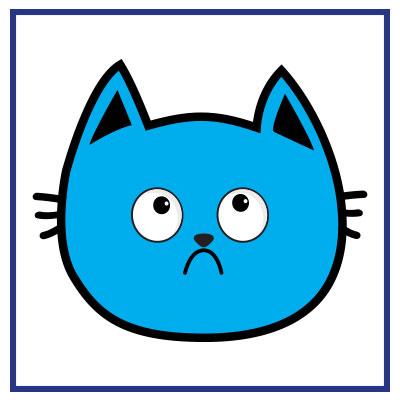
- Sad
- Bored
- Slow
- Sick
- Tired
- Feeling Slow
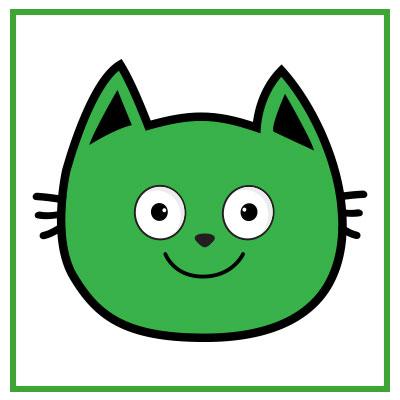
- Focused
- Happy
- Calm
- Okay
- In control
- Relaxed
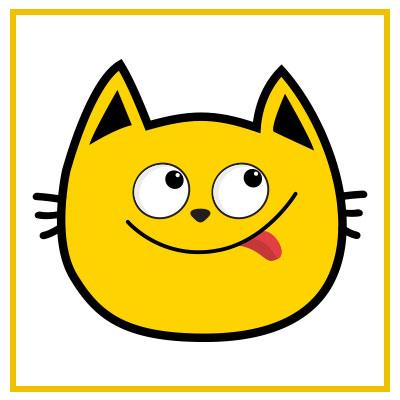
- Worried/anxious
- Excited
- Silly
- Nervous
- Confused
- Trustrated

- Angry
- Out of control
- Rage
- Terror
- Being physical
- Over excited
Firstly you need to work with your child on different emotions, how do they feel when they are happy, sad or worried? You could do this by activities with emoji’s, role play, drawing faces, reading books.
Once they have a learnt on what emotions feel like, they can begin to self-identify what colour zone they are in. For example:
- My favourite toy broke, I am sad, I’m in the blue zone.
- I’m eating my favourite food, I am happy, I’m in the green zone.
- It’s my test today, I am worried, I’m in the yellow zone.
- My best friend pushed me over, I am angry I’m in the red zone.
It is also important for you to model your emotions too to your child the more you model your emotions the wider the child’s emotion vocabulary will be. It is important to acknowledge and praise when children are able to identify their zones.
Create a list of strategies that work for your child. Remind them that we are all unique, the strategies that work for one person might not work for another. Your child needs to think about what would help them self regulate, this will be your child’s toolbox.
This could be
- Physical: Jumping on the spot, running going for a walk, dancing, hugs, sing out loud or blowing bubble through a straw.
- Relaxation: Deep Breathing, find a quiet place, drawing, reading, rocking gently, yoga, listening to music or writing in a journal.
- Sensory: fidget toys, weighted blanket, cuddly toys, sand, slime, lights, stress balls or chew toys.
- Social: Talk to someone you trust, play or stroke with a pet or play with friends.
There are many ways to use the zones of regulation:
- You can design you own zones of regulation charts to suit your child’s interests, e.g. Mine Craft, Lego, favourite characters, dinosaurs, animals.
- Free pintables on the internet.
- Buy them online: Amazon, Etsy, eBay
Further Information:
https://www.socialthinking.com/. A website full of information, videos, downloads (most are free) on social emotional learning concepts & strategies to help them reach their social goals, whether Neurodiverse or neurotypical.

