


IMPACT
REPORT

2024/25

IMPACT
REPORT

2024/25

Welcome from, Kirsten Alderson, our CEO

CEO, Kirsten Alderson

This year we have made significant progress in delivering the priorities of our new strategy, making efficient use of our resources for the benefit of family carers. This has included building on our partnership working, to enable other community groups and organisations help us identify and support family carers. We have continued to grow our network of schools, our relationships with GP practices and partnerships with local voluntary sector organisations. We have added to this network by starting to link with local businesses. All of these connections help to identify family carers who may otherwise be struggling, not realising that there is support available to them.

We are also working strategically with health and social care to encourage improved focus on and support for family carers. Our many projects supporting young carers, parent carers and adult carers have made a real difference to people’s lives. We have also supported families more widely with our advocacy work, our neurodevelopmental project and our military families project.

The feedback we receive about the impact of our emotional support and advice on respite opportunities tells us that our services are ‘a lifeline’ to many, who say they would struggle with their caring role without the support of our excellent team. I want to thank our employees, volunteers and trustees for continuing to make Suffolk Family Carers a place where people can get truly meaningful, empathetic and impactful support that improves their lives.

A Message from, Susan Brooks, our Chair of Trustees

This year has been one of considerable financial uncertainty for all UK charities. The trustees and I are therefore very pleased that we are able to report so many successes and achievements in support of family carers in Suffolk. We are so grateful to all our funders and supporters for continuing to enable us to deliver these services.

Alongside the ongoing substantial organizational change within the health & social care sector, we also had, at short notice, a reduction in funding.  However, by finding creative solutions & adopting a flexible approach, Kirsten and her wonderful team were able to respond to these challenges to minimize the impact on providing services so desperately needed by family carers.

Despite the difficult financial background, we remain committed to delivering our long-term strategy. We will continue to seek out and help more family carers, particularly from under-served groups and backgrounds.  We have identified an increasing need to give more support to family carers so that they can remain in education and employment. And, as 1 in 4 of us could become a family carer, we need to raise awareness of the support available for all current and future family carers.

To help with raising awareness, this year we were delighted to welcome a new Patron to our charity. Onjali Q Rauf is a children’s author and activist. She uses engaging stories in her books to highlight the challenges that family carers face. She also frequently visits schools to build awareness of the challenges for young carers. Her latest book uses the game of chess to help children understand the experiences of a family caring for a grandmother with dementia.

We are so grateful to her and all our volunteers for giving their time to ensure that, by working together, unpaid family carers are visible, valued, supported and connected. 

Chair of Trustees, Susan Brooks

A Letter from, Onjali Q Rauf, our Patron

It is almost a year to the day since I first walked through the doors of the Fynn Valley Golf Club, to meet the Trustees, supporters, partners and hard-working teams who deliver the incredible range of services that Suffolk Family Carers offers. Little did I imagine that my merely popping in to speak about why I wrote The Letter with the Golden Stamp, would lead to the kindest of emails asking me to be a Patron. (To which I of course responded with a deafening ‘FOR REAL? Hellz YES!’)

Nor could I have imagined that a simple ‘yes’ would lead to the launch of a nationwide, child-led campaign, calling on this government to legally, financially and practically acknowledge and support all young carers below the age of 16. With the aid and advice of the incredible figures that are Kirsten and Laura, hundreds upon hundreds of postcards signed proudly by children as young as 6 years-old, have zoomed from schools and homes alike, to land at 10 Downing Street. Enough postcards to warrant a basic response.

That response was just a beginning. And I cannot wait to push the campaign yet farther in 2026 with you all.

Noting as I must, the deep pleasure I have had over this year of also learning – with no prompting whatsoever – from friends old and new about the sanity-saving lifeline that Suffolk Family Carers represents for them, I must end this brief letter with a personal Thank You to everyone who keeps the charity flourishing. To know (as a friend now caring for two elderly parents with dementia put it), that there is ‘this brilliant team over in Suffolk who actually care’, makes me deeply grateful for your existence. How incredibly precious that in a world being consumed by all things AI, Suffolk Family Carers goes on, gifting everyone seeking it out a deeply human and humane service.

Here’s to the coming years. And here’s to ensuring your works reach yet more carers desperately in need of care too. Thank you for honouring them all.

Our Year in Numbers

0

Interactions managed by our Hub.
This number includes 5142 telephone calls, 2593 emails, 876 online chat and 1122 enquiries via the website.

Overall interactions are lower than last year which reflects the improvements made to our website during the last 12 months.

0

family carers registered on our database supported by Adults
Services teams.

0

family carers supported by our Communities and Hospital teams
who were pre-registration.

0

statutory adult carers assessments and reviews undertaken, exceeding this year’s target.

0

episodes of support provided by our SAGES (mental health) project.

 400 interactions with our Mental Health and Wellbeing Service (on behalf of the organisation) at the Suffolk Show, raising awareness and offering ‘on the spot’ information, guidance, signposting, and support.

0

individual young carers and young adult carers engaged by our Children and Young People’s Service
via 1:1, workshops, and group activities – both in education and the community.

0

registrations of young carers and
young adult carers.

0

young carer and young adult carer assessments were completed.

0

parent carers and their families supported via 1:1, drop-ins, workshops, and respite activities.

£ 0

allocated as financial support to 113 family carers.

Respite and other Support

Respite opportunities are important to family carers of all ages as they provide a break from their caring role, allowing them to maintain hobbies or community connections and develop new peer support networks and relationships.

Neurological Care Breaks Scheme – provides respite funding for family carers with a significant caring role where the person they care for is aged over 18 and has a neurological condition as their primary care need. In the year to March 2025, 45 family carers were allocated funding through the scheme.

Respite on Prescription – is replacement care that allows a family carer to have an elective medical procedure, or visits to the hospital for treatment (i.e. chemotherapy) when the person they care for cannot be left at home alone. Referrals are made by GP practices with 22 family carers receiving funded support this year.

Our Carers Needs Fund, started with a generous legacy several years ago and supplemented by small grants, supports family carers of all ages whose support needs can only be met by additional financial assistance. In 2024-25 £16,951 supported 113 family carers.

George's Story

Respite on Prescription allows Suffolk Family Carers to enable Family Carers to have medical procedures, appointments and recover with peace of mind that the person they care for will still receive the care and support they need.

George has been registered with Suffolk Family Carers for a few years. He was initially supported by our REACT team after his partner had been discharged from hospital. George is the sole carer for his partner who has Alzheimer’s and requires daily support with eating, mobility, medication and personal care.

George needed knee replacement surgery but was concerned about who would care for his partner whilst he was having the operation and recovering. His son and daughter had busy lives and weren’t always available. 

Whilst on a visit to his GP George mentioned his concerns about undergoing knee surgery and was given information about  Respite on Prescription.

“I had no idea that such a service was available and was really grateful that my GP was able make a Respite on Prescription referral to Suffolk Family Carers for me. It took a lot of the worry away and allowed me to have my knee operation.”

I rang Suffolk Family Carers and spoke to a kind person on the Hub. They informed me they had received the referral from my GP and requested  information about whether my partner was going to receive care in the home or go into residential care. They also asked about the details of the operation time and the cost of care to support my partner during this time. I felt residential care would be better, and the person from Suffolk Family Carers kindly sent me information about residential care homes so that my family and I could find something appropriate. The person from Suffolk Family Carers also told me  that once they had all the required information from me the referral would go to their panel for review, and they would confirm what funding was possible.

My daughter and  I then set about finding a suitable residential care home  that could support my partner whilst I had my operation and also some recovery time.

Once I had everything together I phoned Suffolk Family Carers again and within two days they were able to confirm the amount of funds I would receive to help towards the care. This was fantastic news and lifted a great weight off my mind, which  I really appreciated”

Without this support, George many not have been able to have his surgery, which may have caused more issues for him in the future.

This year we have updated our objectives to focus on priority areas for delivery and improvement. These objectives are made up of our service objectives and our enabling actions. We continue to deliver our general services of information advice and guidance, emotional support, and respite.

Supporting more carers from underserved groups and backgrounds

We recognise that carers from underserved groups often face additional barriers to accessing support and we are committed to addressing these inequalities through inclusive, proactive and culturally sensitive approaches.

Our mission is to promote and protect the health and wellbeing of family carers across Suffolk. This includes carers from ethnic minority communities, LGBTQ+ carers, carers with disabilities, and those from lower socioeconomic backgrounds. We aim to empower family carers from all walks of life by offering tailored support services, advocacy, education, and practical help that reflect their unique needs and lived experiences.

To achieve this, we will:

  • Actively seek out and listen to carers from diverse backgrounds to understand their challenges and aspirations.
  • Collaborate with community partners, funders, and policy makers to co-design services that are inclusive and accessible.
  • Recruit staff and volunteers who reflect the diversity of our communities and can build trust through lived experience and cultural understanding.
  • Deliver support in trusted local spaces and through varied formats, ensuring carers can access help in ways that suit them.
  • Celebrate cultural events and promote visibility through our communications and campaigns, reinforcing our commitment to equity and respect.

Working with the Suffolk Prison Service

Mental Health and Wellbeing Service has worked with HMP Hollesley Bay and Ormiston Families to identify those resident in the Suffolk prison, who have a caring role or are likely to have a caring role upon release. The aim of this project is to work with them discussing how their caring roles might impact their ability to comply with their licensing requirements. This pilot has supported 40 residents to date.

Underrepresented Groups in Higher Education

Children, Young People and Family Service has worked with The Network for East Anglian Collaborative Outreach (NEACO) project which supports students who are from groups that are underrepresented in higher education, including adult learners, to make informed choices about their options in relation to higher education.
Award Winning Parent Carer Support

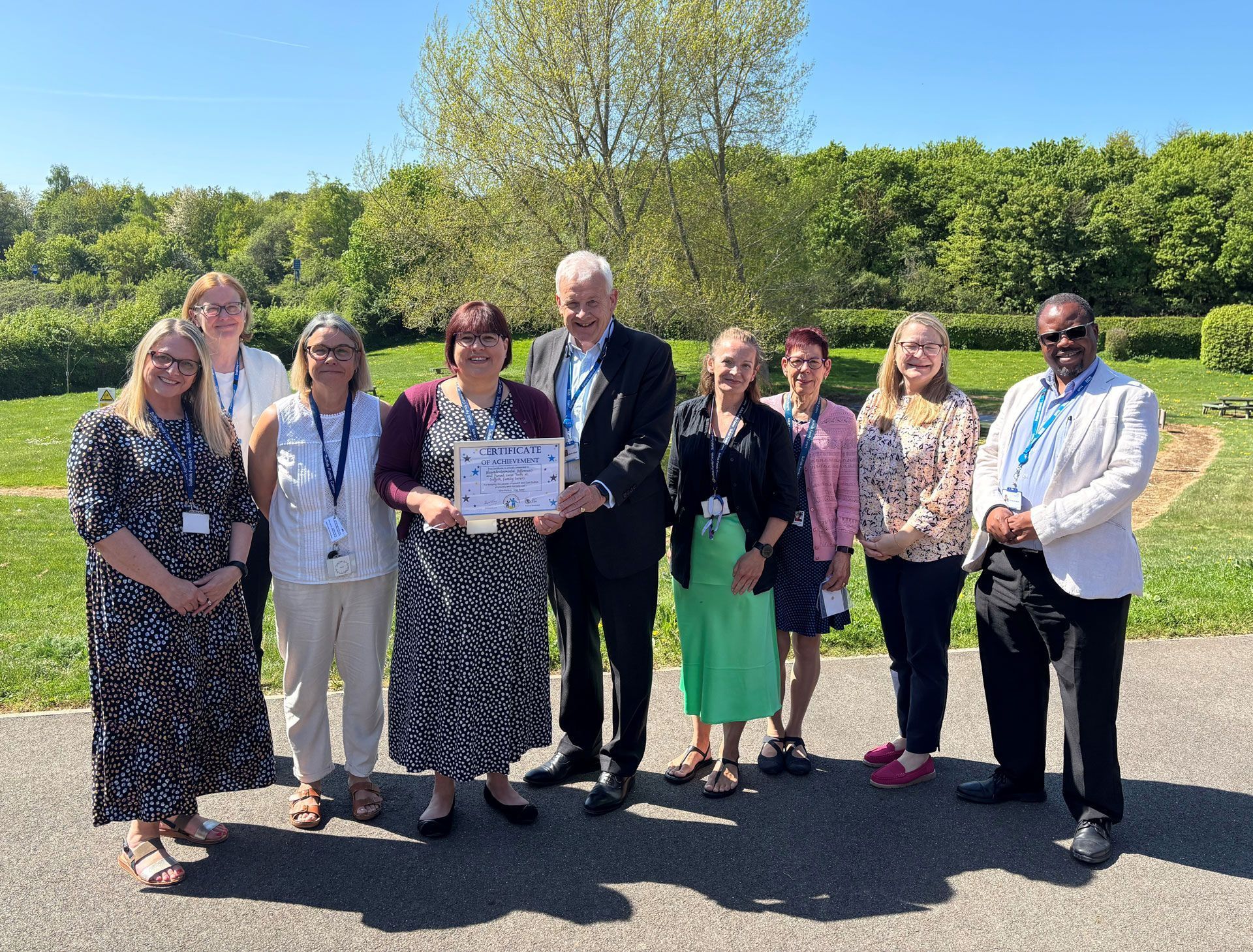
Our Parent Carer Project & Neurodevelopmetal Differences Team won an Ipswich & East Suffolk Alliance Wellbeing Award for their excellent work supporting parent carers and families which include a young person who is neurodivergent.

Read more about the award here

Helping to Identify Family Carers in The Community

Our Adult Services Communities Team has worked with PHOEBE (Promotion of Health, Opportunity, Equality, Benevolence and Empowerment) and BSC Multicultural Services (BSCMS) to provide support to organisations to help them identify and support carers. We have also worked with the Gypsy Roma Traveller community and with the LGBTQ+ community through our early links with The Outhouse. We continue to improve accessibility to our services, for example by providing translation services.


Janette's Story

Janette was referred to our SAGES team in in January 2025 by the charity Turn2Us. She had sought advice from them to help support her husband.  Jannette had recently relocated away from her immediate family and support network and has caring roles in addition to caring for her husband.

“My husband has long-term mental health needs that include agoraphobia, autism, OCD, and depression. This makes life at home quite unpredictable as even the smallest of things can trigger an episode. I have to take each day as it comes. Our children are both autistic and due to their needs I home-school them,  which we believe is  the best option for them.

Moving from a different part of the country has meant that we have had to find our local support all over again. My husband isn’t under the mental health team at the moment and we don’t have any means of travel should he get any appointments –  neither of us drive.”

Janette told us that she had been struggling to work due to her multiple caring roles, which  meant that money was tight and added another stress for her and her family. We were determined to support the whole family in anyway we could.

“The worst thing at the moment is the children are sleeping on old mattresses on the floor which isn’t great for their sleep. We had to get rid of the bed frames as they were broken after multiple meltdowns. Not getting good sleep makes all the difference to their behaviour and challenges that they present.  This then has an impact on me and my husband. If I could solve this problem and get them a good nights sleep it would start making things a little better for us. I just can’t see a way!”

During our conversations with Janette our SAGES team allowed her time to emotionally offload as well as discussing avenues of potential support, including Carers Assessments and the Care and Support Needs Assessment. The SAGES team also involved the Parent Carers team to help the family navigate the children’s Autism. Working with this team  would also give Janette the opportunity to meet other parent carers in the area and hopefully start helping her feel less isolated.

An application was also made to our Carers Need Fund to provide Janette with some financial support to obtain new mattresses. This was approved based on the families situation.

“We were over the moon when we found out our application  was accepted and we were able to buy new mattresses. This will make a significant difference to their sleep and behaviour. There was no way we would have been able to afford these ourselves.

I have made self-referrals for a Carers Assessment and a Care and Support Needs Assessment for my husband, and we should hear about these soon. I wouldn’t have known about these if it wasn’t for the SAGES team, who were extremely supportive during our conversations.  It’s reassuring to know I can reach out to them should I need to again in the future.”

Whilst SAGES provides  short term support the ways we are able to help family carers who are struggling to navigate their challenging roles is far more than short term. We are also lucky to have close links with Suffolk Wellbeing were they can offer more bespoke and condition specific support for family carers and their own mental health.

Raising Awareness of Family Carers

We actively promotes carer awareness across the local health and care system through strategic partnerships, including the Ipswich and East Suffolk Alliance and the West Suffolk Age Well and Die Well Steering Groups.

The Mental Health and Wellbeing Service secured funding for the Armed Forces Family Carers Connected programme. This supports family carers who have a connection with the UK Armed Forces, by providing information and fostering a sense of recognition and preparedness. The initiative has helped family carers with a military connection feel more informed and better equipped to manage their caring roles.

Our Young People and Family Service have offered online training for professionals and hosted network meetings to share best practices among schools. The Communities team, within Adult Services,  engaged with employers and community groups to raise awareness and deliver professional training. Hospital Advisers based at the 3 main hospitals in the area continued to build relationships with medical staff.

Working with the Suffolk Serving Families

Mental Health and Wellbeing Service was successful in securing funds to deliver Armed Forces Family Carers Connected across the county. This programme, funded by The Armed Forces Covenant Fund Trust, provides information and support to family carers and raises awareness of family carers and their needs. The outcomes achieved by this programme for family carers included: feeling recognised, informed, connected and better able to plan and cope with their caring role.

You can read more about our experiences from when we held the programme here.
Raising awareness of Young Carers with
professionals and in education

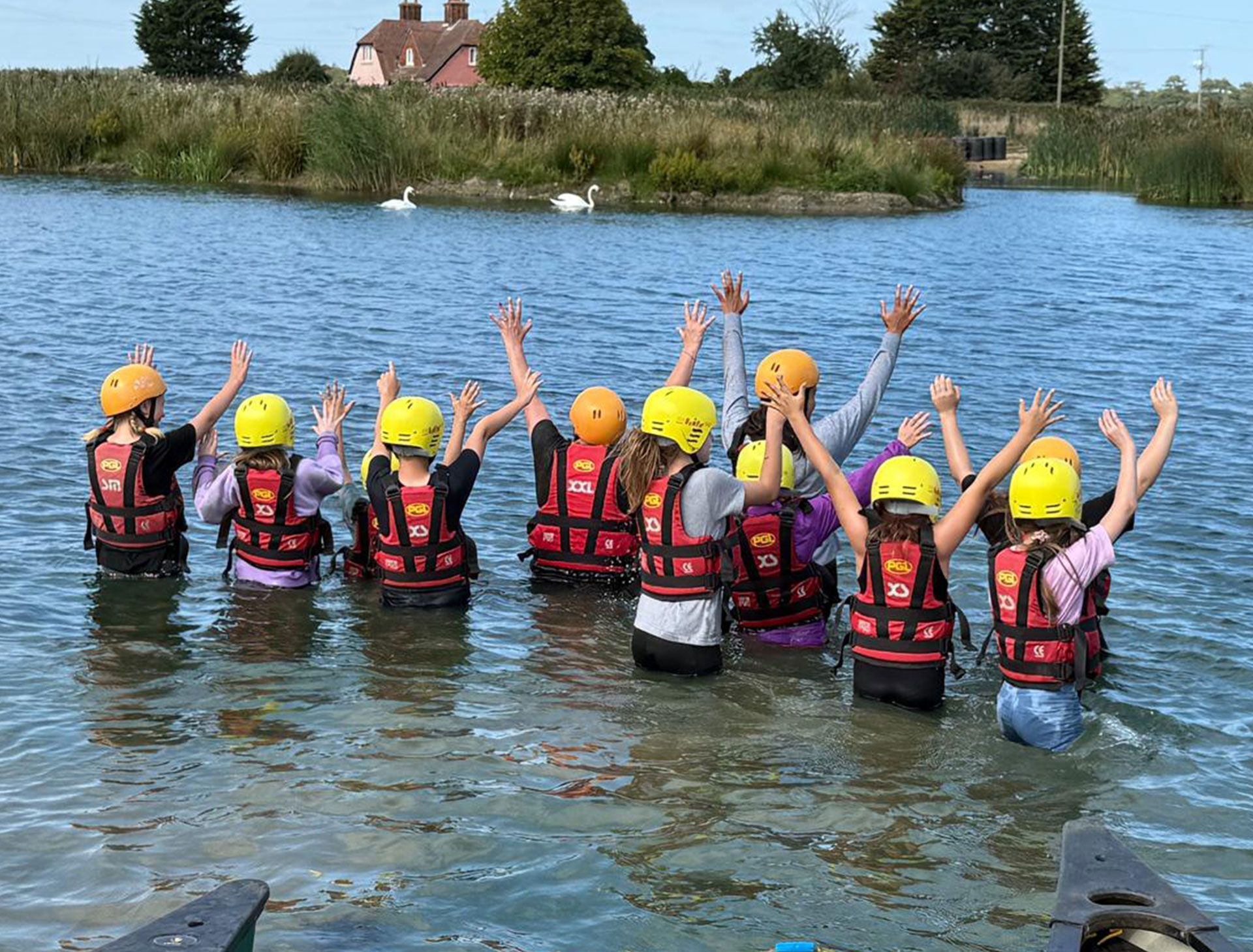
Children, Young People and Family Service has raised awareness of young carer issues with professionals in education and wider sectors. 179 professionals have completed Young Carers online training via our website. They also hosted four network meetings for Young Carer Leads in Education attended by 42 professionals/schools. These meetings brought Young Carer Leads together to share best practice, provide national updates, and inspire schools to innovate and develop new support systems.

Community Engagement

Our Adult Service Communities Team holds drop ins for family carers, attend events, engage with employers, pharmacies, care homes, care agencies and seldom heard communities and the wider community to raise awareness of family carers, highlight our services, and help organisations support carers themselves. The team also provides professional training sessions. In total the team has engaged over 1800 professionals this year.

Building relationships in Hospitals

Our Hospital Advisers based in James Paget Hospital, Ipswich, and West Suffolk, continued to develop links with medical professionals and raise awareness. They managed 1747 interactions with professionals through bite size training, meetings, events, and individual interactions.


Marie's Story

Marie first contacted us a few years after her family moved to Suffolk, when her husband’s role in the Armed Forces had been transferred. She is the primary carer for her Autistic and ADHD daughter, and her younger son has recently been having seizures, which are under investigation. Due to her husbands role in the forces all appointments and care for both children fall primarily to Marie. Marie has also been dealing with her own physical health after being admitted to hospital with Sepsis and is also struggling with anxiety and low mood.

When we spoke with Marie she explained, “Earlier this year we lost Lee’s mum, she was elderly but being so far away from his family home it hit him really hard, the children have been really affected too. We are also having to move to Aldershot base later this year as Lee has another transfer, I know it comes with the territory of being an Armed Forces family, but it doesn’t get any easier. This time feels harder as we have the children’s schools to think about, our daughter is getting a lot of support from school with her diagnosis which is great, but we know it’s not the same everywhere. And with our son’s health concerns we aren’t sure how that will all work with tests and things.”

After our initial conversations with Marie it was clear that we needed to have regular check-ins with her, especially before their transfer to Aldershot base. This gave her time to offload, in a safe, non-judgemental environment. We did this via phone calls and in-person when we attended the stations coffee mornings at the HIVE. We also got advice from our Neurodevelopmental Differences Team which was passed onto the family.

“It is great that I can speak to you on the phone, but to also catch up with you in person when you visit the HIVE. Being able to offload about my worries about the children has been such a help. I have appreciated the encouragement to try and allow time to myself when they are at school/nursery.”

As part of funding from the Armed Forces Covenant Trust Fund, we were able to hold workshops to allowed family carers of Armed Forces families to connect with others and learn techniques to improve their own wellbeing. “I found the workshops helpful with meeting other family carers who lived near us as well as getting ideas and techniques to look after myself. I never put myself first, until you pointed out the importance of this for my own wellbeing.”

We were able to put Marie and her family in touch with HIVE manager in Aldershot prior to the move and she was given the opportunity to explain her situation and the advice she gained was valuable information to support their move.  “The wheels have been put in motion regarding support for us as a family and I am feeling more confident and less anxious about moving.”

“My caring role can be difficult and overwhelming. Our conversations have been helpful. I have felt valued, listened to, and heard. I have my own supports that I can put in place when things get tough and I now realise the importance of looking after me in all of this.”

As part of the support we have offered Marie and her family we contacted her 6-weeks into their re-location to make sure they had settled in and to offer any final bits of advice.

Working with a diverse range of partners to support family carers

Our commitment to supporting carers of all ages is strengthened through a wide network of partnerships across education, health, and social care. Collaborating with almost 200 schools, 90 GP practices, three acute hospitals, and numerous statutory and voluntary sector organisations, we work both operationally and strategically to ensure unpaid family carers receive the recognition and support they deserve.

From chairing the Age Well Domain for Ipswich and East Suffolk to contributing to key forums such as the Frailty Steering Group and the Suffolk Strategic Dementia Forum, our influence spans across the county.

The following highlights illustrate the breadth and impact of our work over the past year, showcasing innovative projects, collaborative services, and heartfelt stories from carers whose lives have been positively changed through our support.

Enhancing Wellbeing Through Strategic Mental Health Partnerships

Our partnership work between Mental Health and Wellbeing Service and Wellbeing Suffolk has continued, enabling us to employ two peer mentors who work within the Wellbeing Service.

The service also worked with Public Health Suffolk to increase their understanding of suicide and approaches to prevention and the relevance to family carers who may be caring for someone who expresses suicidal ideation or who themselves express. Funding was received to deliver wellbeing workshops for family carers, allowing them to understand and plan to meet their own wellbeing needs.
Expanding Opportunities for Young Carers and Neurodivergent Youth

In our CYPF service, two young carers were awarded a music scholarship to attend Rock School, following group sessions funded by The National Foundation for Youth Music.

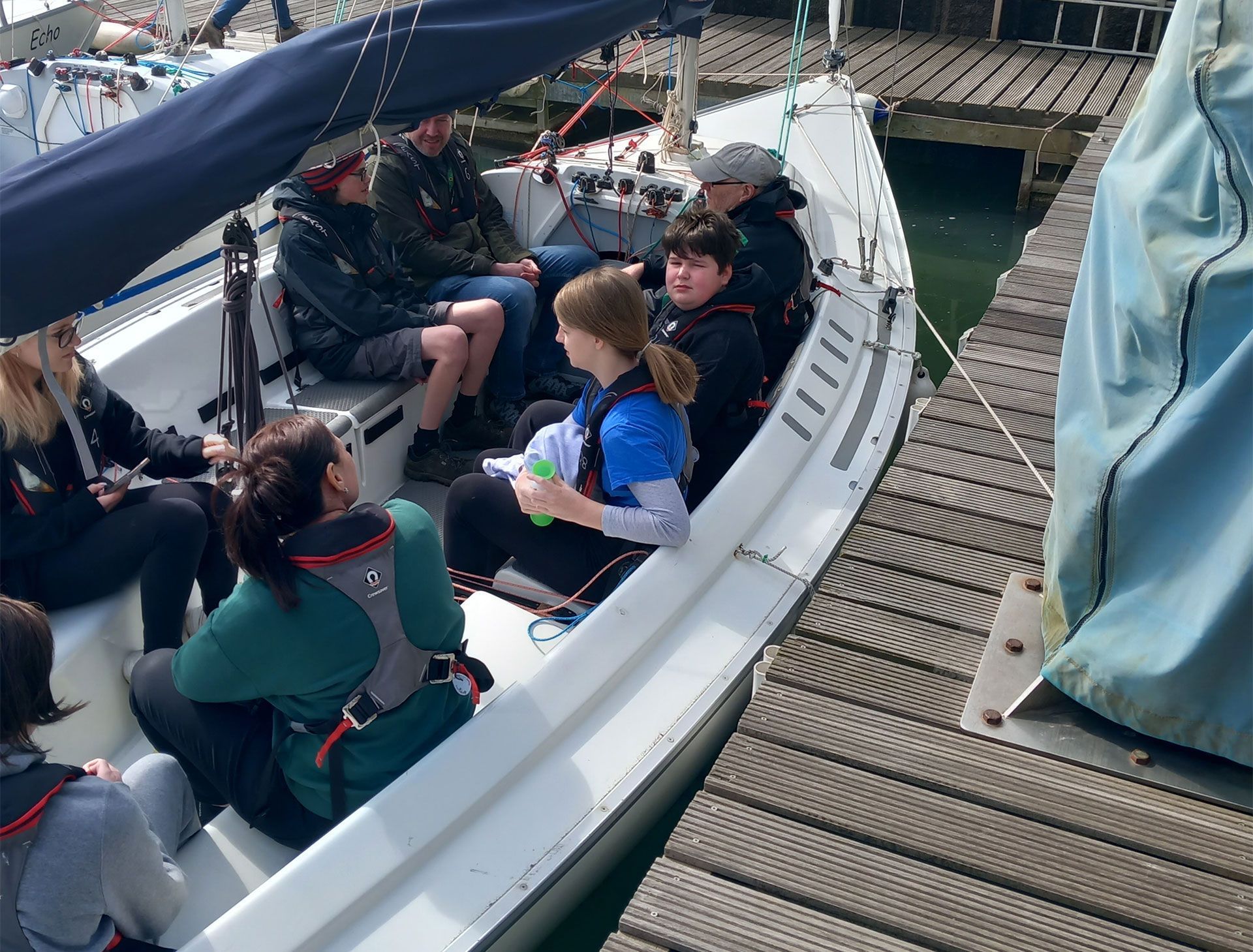
Six neurodivergent teenagers who are not attending school placement attended a Sailing School with EAST Anglian Sailing Trust.

The CYPFS has also worked with early years providers to identify young carers at the earliest possible opportunity. In 2024/25 we identified 13 young carers aged 3-4 years old.
Strengthening Adult Carer Support Through Sector-Wide Collaboration

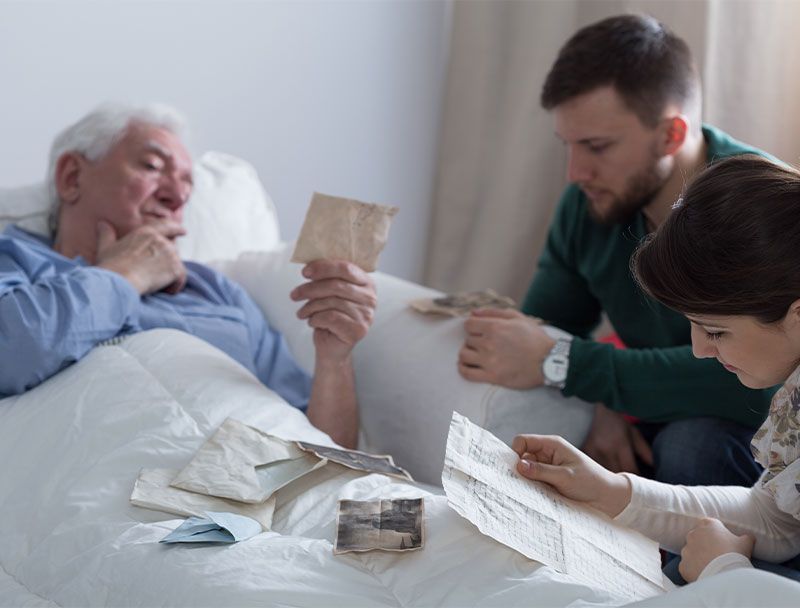
In our Adult Services Team, we have worked with the Early Intervention Team West (EIT) and Reactive Emergency Assessment Community Team Ipswich and East (REACT) teams, the Suffolk Stroke Early Supported Discharge (SSED) team and many other professionals across sectors.

Stroke - Family carers very much value Suffolk Family Carers being part of the SSED service, and we are delighted to have received a further year’s funding until March 2026. 143 family carers have been supported during the year.

REACT and EIT - Our family carer advisers work alongside other professionals to enable people to stay in their homes rather than have an unnecessary hospital admission. We supported 298 family carers this year.

We are pleased to have received funding to work within the REACT team until September 2027. However, sadly due to funding cuts, our work with EIT ceased in March 2025.

Advocacy - partnership with PohWer, Suffolk User Forum and Ace Anglia. SFC advocacy team delivers a variety of statutory and community advocacy, specialising in family carer advocacy and providing paid Relevant Person Representative (RPR) service for people deprived of their liberty. This enables the family carer to have a choice if they want to become an RPR or not. This year we provided over 5100 hours of advocacy work.

The Dementia Connect Service is our partnership with Alzheimer’s and Suffolk County Council - we processed more carers assessments and reviews than previous years. This particular contract unfortunately ended in March 2025.

Tailored Moving and Handling Advice for Family Carers

We have worked with a trained Occupational Therapist/Moving and Handling trainer to provide a service to support family carers to move the person they are caring for without putting themselves or the individual at risk of injury. We offer on-line support, group sessions or the trainer visits individuals at home to advise and find solutions. This year 64 family carers have been supported.


Yolanda's Story

Following a stroke, Yolanda’s husband was admitted to hospital where she regularly visited him. Her husband also has a sever sight impairment and dementia. Yolanda was managing the caring role well until her husband had a stroke but is now feeling under a lot more pressure as his behaviour has changed significantly.

The  hospital ward staff recognised Yolanda’s struggles and after speaking to her referred her to the a Suffolk Family Carers Hospital Family Carer Adviser.

Due to Yolanda’s husbands health there were no immediate plans to discharge him, which allowed our Advisors time to discuss Yolanda’s situation in detail.

The ward staff have been so helpful and welcoming, I come to visit Vic, my husband every day and help him with mealtimes, washing, dressing and just being with him lifts his spirits.

I’ve  recently been to see the GP about some health concerns of my own and they have sent me for some tests but I’m waiting to hear the results of them. Trying to manage that as well as caring for my Vic is a big worry, especially now after his stroke. Vic was diagnosed with dementia a few years ago now and we were managing that ok. All of our children live away, some not even in the UK, so we’ve just had to get on with it ourselves. 

It’s quite rural where we live and I don’t have any other support network, which is hard sometimes. We do have video calls with the family, which is really lovely.

When Vic is discharged I am  worried about how I will cope at home physically, emotionally and financially. It would be lovely knowing where to turn for help when we get back home.

The Suffolk Family Carers Hospital Family Carer Adviser was able to talk with Yolanda on multiple occasions on the ward, via telephone and email. They they discussed options, and found solutions to her concerns about finances, not having a support network and her own health. They suggested Yolanda contact The Louise Hamilton Centre to discuss finances and benefit entitlements, and also made referrals to other organisations to support Yolanda and her husband on his return home.

“The conversations with the Suffolk Family Carers adviser were helpful, not only for me to discuss how things are for me and what might help us moving forward, but also to understand the hospital discharge process and to explore what we both would need, and how this would be managed when my Vic came home.

I’m so grateful to the ward staff for referring me to Suffolk Family Carers. I wouldn’t have known about any of this support and I really don’t know how I would have managed when Vic came home.”

Having Family Carer Advisers in the community means that we can bring our expertise, knowledge and support to where Family Carers most need it.

Supporting more carers in and into employment and education

We continue to strengthen our commitment to supporting unpaid family carers through meaningful engagement with employers, education providers, and community partners. Our Adult Services Communities Team has worked closely with businesses and care organisations to raise awareness of family carers in the workplace, delivering tailored sessions and connecting employees to vital resources.

Alongside this, our Mental Health and Wellbeing Services (MHWBS) team has expanded access to their workshops, empowering hundreds of carers with knowledge and support.

Through innovative programmes like What’s Next for Me, and sustained collaboration with schools, we’ve helped family carers of all ages explore personal development, wellbeing, and future opportunities.

These efforts reflect our holistic approach to family carer support—ensuring individuals are recognised, informed, and empowered across every stage of life and their caring role

Workplace Engagement and Employer Awareness

Our Adult Services Communities Team has contacted many employers this year and worked extensively with eight businesses. We have delivered sessions on identifying and supporting family carers in the workplace; sessions to their employees about ‘knowing their rights and services available to them’ linked them to our courses, other local support and national resources and added them to SFC professional and carers newsletter distribution lists. We have also raised awareness with care agencies and care homes as providers as well as employers.

Early in 2025 we started a new initiative working with Suffolk County Council, with the Caring Companies programme. We are hopeful in 2025 to reach more employers.
Enhancing Carer Wellbeing Through Accessible Programmes

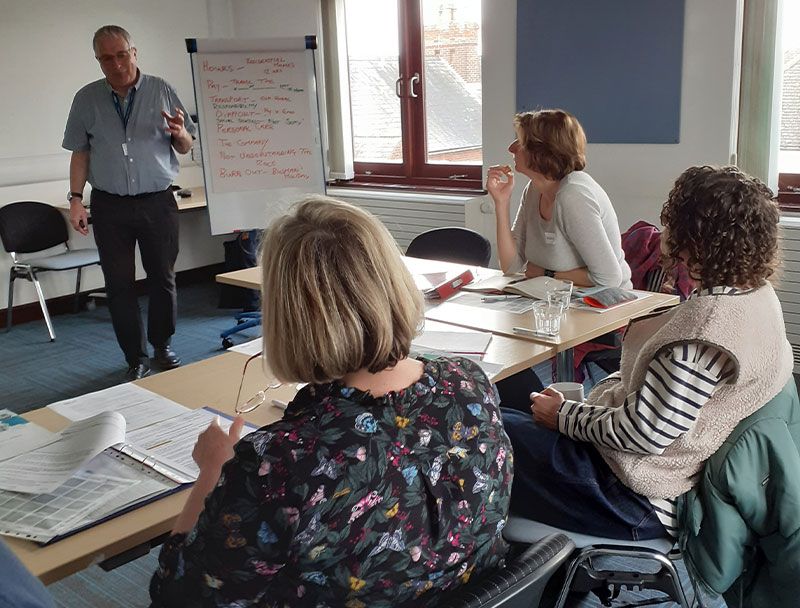
Our MHWBS programmes and workshops team have offered 252 family carers access to our range of information and support workshops. Out of the 34 workshops delivered, 18 were online, ensuring that we offer choice in accessing our growing offer of workshops.

Last year we highlighted the forthcoming delivery of an exciting new development, our What’s Next for Me programme funded by Apollo through Suffolk Community Foundation. The programme supported 40 family carers to consider their own social, leisure, education, and employment needs. Outcomes were individual to attendees but included taking up volunteer roles and securing employment.

Strengthening School-Based Support for Young Carers

CYPFS advisers worked alongside education establishments to build sustainable support mechanisms for young people with a caring role. This comprised setting up Young Carer groups, drop-ins, delivering workshops, CPD training and providing 1-1 interventions primarily to support young carer wellbeing. Over the course of the year our advisers have spent more than 1579 hours in schools with 768 visits to 218 different education providers, including specialist provision.

Rita's Story

Rita and her daughter, dropped into The View – A Space for Carers  This is  located at our offices in Claydon and available during our reception opening hours for family carers to drop in for advice, support or simply a coffee and chat.

After settling into a private room with a coffee Rita and her daughter explained to  one of our advisors  that Rita is caring  for her husband who has age-related frailty. Rita is doing more and more without either her, her daughter or her husband realising it. Rita doing all the housework, cooking, looking after the money as well as washing and dressing her husband.

Rita went on to say “Thankfully my daughter and son come and help me out when they can, but it’s difficult for them to be here a lot as they both have busy jobs and families of their own. I do feel isolated, but have friends who  visit which is lovely. It does raise both mine and my husband’s spirits.

I’m very concerned about how many things I do around the house, and with caring for my husband I’m finding this very tricky to get through. I don’t feel bad for having to care for my husband, it just sometimes feels too much for me.”

Rita’s daughter explained that her dad isn’t able to get into the bath, so her mum is washing him at the sink. Rita’s daughter had tried to help Rita look into a Care and Support Assessment for her dad, but found accessing this and finding other information confusing and daunting.

Our Adviser explored  various options with them, and what Rita needed for her own wellbeing. The Adviser highlighted that Suffolk Family Carers could refer her husband for a Care and Support Assessment (with his consent) and this might be good place to start. They also discussed a Carers Assessment for Rita.

Next they were able to help Rita and her daughter look into different avenues of support, including respite Day Care centres for her husband and Suffolk Family Carers workshops for Rita. Rita was also open to asking her friends if they would mind helping with some of the smaller jobs around the house when they came to visit.

Rita said “After our visit to Suffolk Family Carers, the adviser  sent us relevant information, including details of Day Care centres and we are looking into this with my husband.  I’m so pleased  I’ve been able to reach out for help and know that it’s there if I need it again in the future if  have other questions, need  advice, or support with how I am feeling”

Rita was referred to our Duty team after her initial support with the adviser at The View – A Space for Carers. 

Delivering services and support that have been coproduced with family carers

Our Mental Health and Wellbeing Service peer support group  (for family carers caring for someone with a mental health difficulty) has gone from strength to strength and is attended by 9  or 10 family carers each month. Our SAGES team reviewed how this was working with the group and together developed a format that meets their needs of providing a safe and supportive space to offload, whilst keeping up to date with new initiatives.

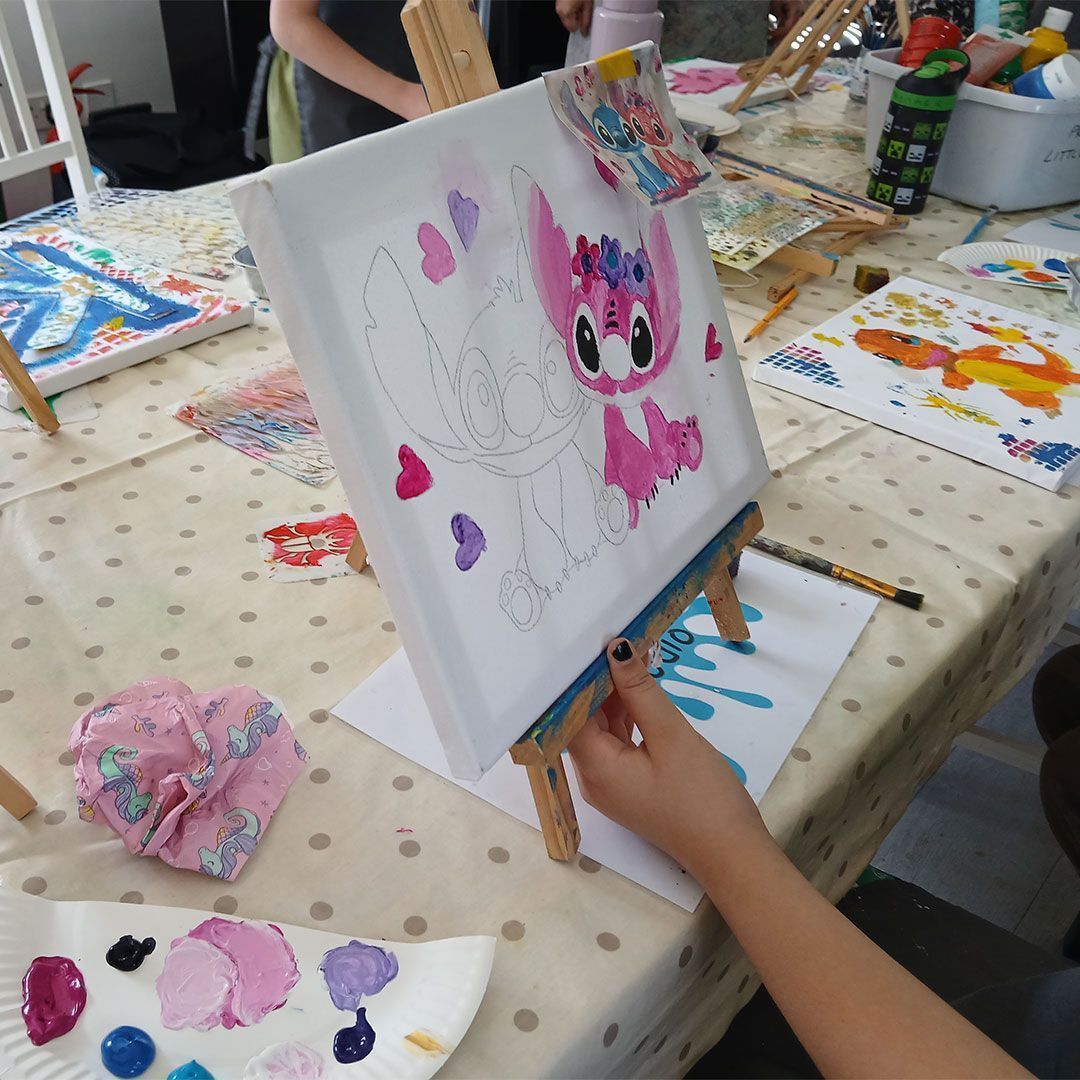
The Children, Young People and Families Service established an art group for neurodivergent 13-18yr olds, facilitated by a volunteer local artist who themselves are  neurodivergent. The group was set up to provide a supportive environment to nurture and explore creativity whilst, building social knowledge, friendships, and self-confidence.

Influencing the improvement of services on offer for family carers

Suffolk Family Carers continues to be a driving force in shaping carer support across the county, working collaboratively with statutory partners, health services, and community organisations to influence policy and practice. As a key member of the Family Carer Partnership Board and contributor to the All Age Carers Strategy, we ensure that the voices of carers are central to decision-making. Our involvement in forums such as the Suffolk Strategic Dementia Forum and the Suffolk Safeguarding Board highlights our commitment to safeguarding and supporting family carers across all age groups.

Through targeted initiatives – ranging from mental health advocacy and GP engagement to youth-led Ofsted presentations and the Health & Wellbeing Board – we champion improvements in education, healthcare, and community awareness. These efforts are underpinned by feedback from family carers, enabling us to identify what works, address challenges, and co-design solutions that make a tangible difference in carers’ lives.

Strategic Partnerships for Family Carer Support

At a strategic level Suffolk Family Carers has been a key member of the Family Carer Partnership Board and instrumental in designing and delivering the All Age Carers Strategy. We are a member of the Suffolk Strategic Dementia Forum and a participant of the Suffolk Safeguarding Board, where we presented on the safeguarding issues for family carers this year.

MHWBS worked with Norfolk & Suffolk Foundation Trust Carers Leads to have input into their Carers Charter. Advisers in the team were key to collating feedback from family carers who care for someone with a mental health condition for inclusion in the charter.

Amplifying Young Carers’ Voices

Our CYPFS YC & YAC Committee presented to the Suffolk Health & Wellbeing Board in January 2025. Attendance has enabled ongoing conversations with Health regarding recognising young carers in primary care.

The YC & YAC Committee shared their views of support in education with Ofsted as part of the ‘Big Listen’ in July 2024, calling on Ofsted to monitor the support available to young carers in education. The Big Listen is the largest consultation in Ofsted’s history and has resulted in an increased focus on support for disadvantaged and vulnerable children and learners.

Improvements Driven by Feedback and Collaboration

Each month Adult Services teams come together to share what family carers have been telling us on what is working well for them and what is not working well. This information is then shared with our statutory partners. We all use this information to learn and improve services for family carers. A few of the successes from this year have been working with Suffolk County Council to improve the new Carers Self-assessment form; working with Customer First to change a process to improve family carers experience; development of new Suffolk Family Carers website pages.

Building Carer-Friendly Communities

We have increased the number of GP practices we work with from 72 last year to 93 this year. We encourage and support GP staff to engage with the GP Framework which aims to support carers – helping staff to better identify and support carers of all ages. Improvements include flexibility in GP appointment times to fit in with the caring role, location of appointment, and joint appointment for the family carer and the person they care for.

Our work with GP surgeries, businesses, care agencies, care homes and the wider community has identified 51 carers champions, all contributing to raising awareness and improving services for family carers.

Terry's Story

Terry has been married to Alison for forty-two years, sharing a life filled with ordinary joys and challenges. But in early May 2024, everything changed. Alison, Terry’s wife, began to struggle with her mental health, overwhelmed by a series of unfortunate life events. This led to severe depression and anxiety, and soon, her condition worsened to the point where she needed urgent help.

At first, the Crisis Team stepped in, followed by support from the Community Mental Health Team. Despite their efforts, Alison’s health did not improve, and she was eventually referred back to the Crisis Team for daily visits. Terry watched helplessly as Alison waited for a hospital bed, feeling more unwell than ever before. He had never seen her like this in all their years together. As Terry put it, “I had never seen her this mentally unwell in all of those years”.

As Alison’s carer, Terry took on the responsibility of looking after her every need. “I prompted her to eat, motivated her to keep going, and offered constant reassurance. But it I fear it has taken it’s toil. Alison began to self-harm, and neither of us were sleeping – I think on one occasion I went 36 hours with only three hours of rest. I just felt I couldn’t leave Alison unattended, caring for her around the clock for three months.”

Eventually, Alison was admitted to Ipswich Hospital. While Alison was in hospital, Terry finally had a moment to breathe. He managed his visits to give himself some respite, saying, “While Alison is in hospital, I have some time for some respite. I’ll be managing my visits to the hospital to give myself some time to myself”.

Administering medication at home had been daunting, and Terry often felt out of his depth: “I didn’t feel particularly comfortable or confident in this. I felt that I was out of my depth. I wasn’t sure how long I would be able to manage to care and support Alison at home”. He was confused by the mental health service pathways and uncertain about what to expect from The Woodlands. He hadn’t been told about the Triangle of Care, a best practice model for supporting carers. “At times, I felt ‘unheard’. I felt that lack of sleep had been a major part of Alison’s breakdown and had communicated this to the team, but didn’t really feel that this had been acknowledged”.

 “I was feeling isolated. I was unable to leave Alison for any length of time. Although Alison had been mentally unwell before, this time, things are very different. I was beginning to feel overwhelmed by my caring role. My own mental health and wellbeing was being affected. I was feeling the pressure and stress of keeping Alison safe”.

After a Carers Assessment, Terry was referred to the SAGES service and advised to attend the Making Time Mental Health Peer Support group. He managed to attend just two days later, and also received one-to-one telephone support from a Mental Health Family Carer Adviser. These opportunities allowed Terry to offload emotionally, receive information, and find signposting to further help. “I needed a safe space to talk about my frustrations and verbalise my thoughts and feelings. I needed to feel listened to. I needed to feel less isolated in my caring role”.

Terry continues to attend the peer support group each month. He knows he can call Suffolk Family Carers whenever he needs advice, guidance, or emotional support. With these resources, Terry feels able to care for Alison while also looking after his own mental health. Most importantly, “I feel that I am able to care and support S, while continuing to take care of my own mental health and wellbeing needs. I no longer feel isolated”.

Building a Resilient, Skilled and Values-Led Organisation for the Future

Over the past year, Suffolk Family Carers has undertaken a comprehensive programme of organisational development to strengthen its effectiveness, impact and sustainability.  Guided by a newly developed funding strategy we have begun diversifying income streams, including exploring innovative partnerships with employers to better support working family carers. Internally, we have invested in building a skilled and diverse workforce through enhanced training opportunities, leadership development, and a growing volunteer base that contributes meaningfully across a wide range of services.

Operationally, we have implemented process improvements to increase efficiency, reduce costs, and enhance environmental sustainability. Our finance team has embedded robust practices to ensure transparency and resilience in the face of future funding challenges, including the adoption of Full Cost Recovery principles. At the heart of our organisation remains a strong values-led culture, with many of our staff and volunteers having lived experience as family carers. This deep understanding informs our mission and drives our commitment to continuous improvement, including the expansion of our digital offer to better meet the evolving needs of carers across Suffolk.

Diversified Income Streams

This year we have developed a funding strategy. One of the key areas for action was to recruit a Business Development Manager, who is now researching a key area of potential future income – namely working with employers to support carers. This research will culminate in recommendations to Board in January 2026.

A Skilled and Diverse Workforce

Our People team has strengthened our training offer and developed a new suite of leadership training modules. We provide regular bitesize training across the organisation on different topics. We have varied training via an e-learning platform, and we source excellent training on mandatory topics such as Safeguarding from local expert provision.

This year we have benefited from funded courses from both the Kings Fund and Carers Trust, accessed by 18 employees and three employees undertaking funded Level 5 Leadership apprenticeships.

Our Volunteer Development Manager has been developing meaningful roles, collaborating with others, and improving our volunteer processes to help increase opportunities. We now have 41 volunteers at Suffolk Family Carers. Volunteers provided 1785 hours of support for many services, including our Talk and Support Service, Neurodevelopmental Differences Project, general administration, young peoples respite, craft sessions, HR provision, duty log and peer to peer support. Our volunteers are recruited from a variety of backgrounds and skills bringing significant relevant experience. We have a robust induction programme centred on our culture and values which includes information on available services for family carers across Suffolk. This enables volunteers to not only provide support for family carers enhancing our service provision but to also raise awareness within their own networks and communities.

Three volunteers have been recruited to support our ‘What’s next for me’ workshops that helps family carers ‘plan for the future’ by exploring routes into employment. Our volunteering service collaborated with CYPFS and HR to provide a face-to-face session for young people on ‘employment skills.’ Additionally, our volunteer trustees, who are responsible for governing our charity, are a diverse group of people bringing a wealth of skills and experience to our board.
Robust financial expertise to tackle future funding challenges

During the period, the Head of Finance attended Full Cost Recovery (FCR) training. This was followed up by a review of how we plan and achieve FCR. The knowledge was shared with senior managers. It included understanding our organisational overheads and the importance of realistic funding bids and funding applications. Three-year budget templates were produced to aid future bid writing and manage existing projects. Project managers were able to provide funders with transparent reporting and confident to answer questions relating to FCR.

The finance team has attended fraud and cyber awareness training and has strong internal financial controls. We were proud to have feedback from our auditors that the accounts in 2023/4 were excellent in quality and accuracy.

Embedding Values with a Carer-Centred Focus

Our organisation maintains its focus on our values. In February 2025 we held an employee event to formally introduce our new strategy and to reaffirm our commitment to our values. Many of our employees have been family carers or are currently family carers and so we are fully cognisant of the needs of family carers. Our commitment to delivering our mission is unwavering.

Continue to Improve our Digital Offer

We have developed a series of online self-paced workshops and continued to enhance our website. Our internal systems have all migrated to the cloud to provide the foundations for future service enhancements, including the use of AI.

Putting Carers First: Our Public Benefit Commitment

We continue to ensure our planned activities contribute to the aims and objectives set out in the charity’s Memorandum and Articles of Association;

The promotion and protection of health and the relief of poverty, sickness, and distress within the county of Suffolk, and surrounding counties in particular by the provision of practical help, support services, and advocacy. Education to persons who are acting as carers of people with physical or sensory disability, mental health difficulty, learning disability, ill health or who are aged, and their families by providing information and mediation, and by bringing together the representatives of voluntary organisations and statutory authorities.

Adapting for Impact for a Sustainable Future

In the face of growing financial pressures affecting charities nationwide, Suffolk Family Carers remains committed to evolving and strengthening its services to meet the rising demand for family carer support. As income becomes less predictable and operational costs increase, we are taking proactive steps to safeguard our future. This includes reviewing our organisational structure, investing in digital transformation, and exploring new income opportunities through business engagement.

Our focus remains firmly on delivering high-quality, accessible support—particularly for under-served communities and those facing health inequalities. Through innovation, collaboration, and a values-led approach, we aim to build a resilient charity that continues to empower family carers across Suffolk. The coming year will see further development of our volunteer programme, digital services, and targeted projects that reflect the diverse needs of carers in our community.

Navigating Financial Pressures

Charities across the UK are facing increasing financial challenges, with rising demand for services, unreliable income streams, and escalating operational costs. Suffolk Family Carers is not immune to these pressures. While we remain committed to investing in employee development and improved systems to ensure efficient service delivery and support wellbeing, our reserves are depleting and future income remains uncertain. We recognise the need to adapt to these changing circumstances.

Organisational Resilience and Efficiency

To ensure we remain a robust and responsive charity, we will review our organisational structure to align with future service needs. Efficiency improvements will continue, including digitising routine administrative operations and enhancing our website and online services. These changes will empower family carers to self-serve where appropriate, freeing up adviser time for those requiring personalised support.

Exploring New Income Opportunities

Our newly appointed Business Development Manager is researching the viability of marketing a service offer to businesses. This initiative aims to generate future income and raise awareness of Suffolk Family Carers within the business community, opening doors to new partnerships and opportunities.

Reaching Under-Served Communities

We remain committed to supporting under-served groups across Suffolk. Guided by local Public Health definitions of communities at risk of health inequalities, we will take action to forge meaningful links and provide targeted support where it is most needed.

Expanding Services and Programmes

  • Talk and Support Project: This service will expand to include additional support options.
  • Moving and Handling Service: Continued development of our online offer will improve accessibility.
  • Young Carers (YC) Champions Network: CYPFS will launch a network to strengthen support for young carers.
  • Veteran Carers Support: MHWBS will collaborate with the Veterans Voice network to deliver groups and 1:1 support funded by the Armed Forces Covenant Fund Trust and Veterans Foundation.
  • Partnership with Wellbeing Suffolk: MHWBS will deepen its relationship to ensure family carers remain central to service delivery.
  • Self-Access Video Resources: MHWBS workshops will focus on developing on-demand video content for carers to access key information at their convenience.

Digital Inclusion and Awareness

With funding from the Integrated Care Academy, we will raise awareness of the NHS app and its benefits for family carers. Training will be delivered through both in-person and digital methods, supported by volunteers.

Volunteer Programme Growth

Looking ahead to March 2026, our Volunteer Development Manager aims to:

  • Recruit volunteers to support in schools.
  • Expand volunteering opportunities in the community and within our Hub.
  • Introduce follow-up calls conducted by volunteers.
  • Provide marketing support.
  • Offer mentoring placements within the Children, Young People and Families service.
  • Develop online peer-to-peer support through the Care to Chat initiative.
  • Explore digitally enabled micro-volunteering opportunities.

Facing Financial Challenges with Confidence and Care

We are deeply grateful to all our supporters whose generosity continues to make a meaningful difference across our services. At Suffolk Family Carers, we remain committed to using every pound responsibly and effectively to fulfil our mission. Like many charities across the UK, we are navigating a complex financial landscape—where demand for support is rising, income streams are less predictable, and operational costs are increasing. Despite these pressures, we’ve managed our resources carefully, ending the year with a smaller deficit than anticipated thanks to successful grant applications, a contract extension, and stronger-than-expected savings interest.

Looking ahead, we are taking proactive steps to adapt and strengthen our organisation. From modernising our buildings and streamlining operations to exploring new income opportunities and investing in our people, we are focused on building a resilient future. Our financial strategy balances caution with ambition, ensuring we continue to deliver high-quality support to family carers while safeguarding our long-term sustainability.

Financial Review

2023/242024/25ComparisonChange
Income£ 2,329,951£ 2,151,168-£ 178,783-7.67%
Expenditure£ 2,471,659£ 2,359,292-£ 112,368-4.55%
Surplus/deficit-£ 141,709-£ 208,124£ 66,41646.87%
Total charity funds£ 1,548,290£ 1,340,166-£ 208,124-13.44%

We are very appreciative to all our supporters for their generous funding across our services. We are committed to ensuring our income is spent responsibly and effectively to achieve our mission.

Our income has decreased on last year, whilst expenditure has also decreased a deficit is being reported for the year, as we budgeted. The deficit is however lower than allowed for when budgeting. This is due to various small grants secured during the period, a contract extension and better than forecast interest rates on our savings. We had allowed for a deficit of around £400K however the year ended with a deficit £208,124 split between designated/unrestricted as below.

Restricted FundsUnrestricted FundsDesignated FundsTotal Funds
2023/24£ 483,205£ 475,893£ 589,192£ 1,548,290
2024/25£ 378,106£ 451,661£ 510,399£ 1,340,166
Movement £-£ 105,099-£ 24,232-£ 78,793-£ 208,124
Movement %-21.75%-5.09%-13.37%-13.44%

The unpredictable and challenging times for the charity sector look set to continue for the next 12 months. We are faced with increased running costs; increased staff costs due to NI changes and pressure on public sector funding making continued support from local authorities an uncertain source.

To help reduce our running casts we have decreased our accommodation space and at the same time invested in modernising our main building to be more energy efficient. We are exploring other ideas to reduce costs with minimum impact on services. We have invested in a new Business Development post researching ideas to help SFC become less reliant on the public sector.

Whilst we remain confident in our ability to continue to provide current services to our beneficiaries we have committed to a budget for the year ahead which allows an overspend of up to £493,000, including £214,000 in designated funds and £64,000 in unrestricted funds.

With resources diminishing we will continue to monitor closely our reserves and use of designated funds in line with policy.

Restricted funds

Our restricted funds represent funds that have been given for a specific purpose and can only be used on those particular services.

Unrestricted funds

Our unrestricted funds are those which are not restricted or designated to a specific purpose. Unrestricted funds arise from donations and legacies, bank interest, apportioned management costs from current projects and resultant surpluses from ended projects.

Unsurprisingly income from donations and legacies is hard to forecast, when budgeting for future periods SFC believes in taking a prudent approach and bases income on those grants and contracts which have been confirmed as receivable, or highly likely.

To maintain an expected level of service for our beneficiaries we budget to use unrestricted funds whilst seeking continued funding when agreements are coming to an end, or whilst seeking new funding to support areas of identified unmet need.

Designated funds

Our designated funds have been allocated by the trustees for specific purposes, as set out below.

The Caravan Fund

We own a fully accessible static caravan on the coast of Suffolk which is used by family carers and their families to access small breaks. The caravan provides much needed respite to carers who haven’t been able to have a break for many reasons, including those who may not be able to afford to pay for a short break themselves. We ask for donations, if affordable, but hire it of out free of charge.

We do receive a small amount of donations to support the caravan, but not enough to cover actual costs. Without external support for the caravan the length of time we remain able to offer this facility to family carers is uncertain.

The Respite and Community Development Funds

The Respite Fund is used to provide help to family carers who are possibly facing carer breakdown or experiencing significant impact to their wellbeing. Typical funding might be used to help with unexpected costs, gaps when other funds are not available or the wait is too long, preventative support - including a small wellbeing treat, funding towards local school trips or respite.

The Community Development Fund provides community development work as outlined in our strategy, our volunteer development work, the one-year Business Development role, and projects not funded by specific grants.
Children, Young People and Families Fund And Mental Health Development Funds

We have invested in training and developing specialised employees and evolving our services to support beneficiaries. We value and wish to retain experienced employees and maintain services for family carers for as long as possible. The nature of charity funding often means projects end and whilst we aim to secure further support by seeking appropriate funders and writing applications, when we do not have firm confirmation, we use these funds to plug the gaps.
The results for the year, and the charity’s financial position at the end of the year, are shown in our financial statements.

Investments

Our main bank is Bank of Scotland; however cash is also held in other banks to obtain best possible interest rates and Financial Services Compensation Scheme cover. There are no funds “invested.”  The cash position is consistent with the composition of funds balances which is shown in the Statement of Financial Activities.

Reserves Policy

It is essential that sufficient reserves are held to minimise the impact of significant loss of income. In the event of reduced income the main concerns of the trustees are:

  • That the services provided can be wound down in a controlled manner with minimum impact on family carers, allowing time for transfer of support given to family carers to other services.
  • Suffolk Family Carers liabilities can be met.
  • Staff commitments can be met and staff can continue working whilst new funding is secured.

The trustees have agreed to keep a level of reserves that would allow the organisation to operate for a period of between 6 to 12 months in a worst-case scenario. Based on the above policy target reserves for 2024/25 were between £235,571 and £471,141. Unrestricted reserves at £451,661, being the total unrestricted balance, not including designated funds, are within that parameter. Total free unrestricted reserves are £374,506 being the balance minus the unrestricted assets value.

The level of reserves will be monitored monthly by the Senior Management Team and reported to the trustee Finance and Audit committee. If the forecast balance is outside the target totals then the trustees will consider what action, if any, may be appropriate taking into account any special circumstances. The policy will be reviewed annually.

Grants

Suffolk Family Carers provides two types of grant funding to family carers:

  1. The charity applies for small grant funding on behalf of beneficiaries. The criteria for making grants depends on the conditions attached by the funder to each activity/project. This year we have also been able to support family carers via the Household Fund and the Omicron Fund. Examples of grant usage are, a new washing machine, purchasing pill dispensers and supplying supermarket vouchers.
  2. The charity also provides individual grants to family carers for respite and grants to overcome short term hardship.
During the year, the charity provided
0
grants to individuals totalling,
£ 1000

As we reflect on another year of dedicated service, Suffolk Family Carers stands proud of the positive impact made across our community. Despite a challenging financial landscape and evolving funding streams, our commitment to supporting family carers of all ages has remained unwavering. The breadth of our work – from direct support and respite opportunities to innovative partnerships and advocacy – demonstrates the resilience and adaptability of our organisation and the people we serve.

Our achievements this year are a testament to the strength of our team, the generosity of our supporters, and the collaborative spirit that drives our mission forward. We have not only exceeded targets in key service areas but also expanded our reach to underserved groups, enhanced our digital offer, and continued to influence policy and practice at both local and strategic levels. The stories and feedback from carers, professionals, and partners alike reinforce the value of our work and inspire us to keep innovating and improving.

Looking ahead, we recognise the uncertainties that lie before us, particularly in terms of funding and rising demand. However, with a clear strategy, a skilled and passionate workforce, and a robust network of partners, Suffolk Family Carers is well-positioned to adapt and thrive. We remain committed to our values, to prudent stewardship of our resources, and – most importantly – to ensuring that every family carer in Suffolk feels recognised, supported, and empowered in their caring journey.

Leaving so soon?

We hope you found what you were looking for, however,
if you didn’t we’d like to still offer you some support.
Please let us know how we can help.

Multiple Choice